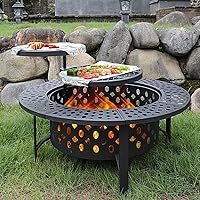
How Much Is a Fire Pit? Real Cost by Type
A fire pit usually costs anywhere from about 60 dollars for a basic steel bowl to 500 dollars or more for a large gas or smokeless model. The type, size and material decide most of the cost, and the stand, cover, screen and fuel add a little more.
On this page (10 sections)
- What drives the price of a fire pit?
- How much is a wood-burning fire pit?
- How much is a gas fire pit?
- What does a smokeless fire pit cost?
- What size fire pit fits your space and budget?
- What extras add to the total cost?
- Wood, gas or smokeless: which costs less to own?
- Is a more expensive fire pit worth it?
- How do you keep fire pit costs down?
- What's a realistic budget for a fire pit?
A fire pit usually costs anywhere from about 60 dollars for a basic steel bowl to 500 dollars or more for a large gas or smokeless model. The type, size and material decide most of the cost, and the stand, cover, screen and fuel add a little more.
The honest answer is that "how much is a fire pit" depends on what you want the pit to do. A small wood bowl for two chairs and a simple gas table are very different buys.
This guide breaks the cost down by type and shows where the money goes.
What drives the price of a fire pit?
Type, size and material drive the price more than any brand name. A wood-burning steel bowl is the cheapest way to get a real fire.
Gas, smokeless and tabletop designs cost more because they add parts.
Size matters next. A 25-inch bowl uses less steel than a 36-inch one, and a bigger bowl also weighs more to ship.
Material decides how long the pit lasts. Stainless steel and heavy gauge cost more than thin painted steel.
What's in the box changes the total too. A stand, spark screen, poker and cover can be included or sold apart.
Always compare the full setup, not just the bowl.
How much is a wood-burning fire pit?
A wood-burning fire pit typically runs from about 60 dollars to 250 dollars, which makes it the lowest-cost way to get an open fire. Steel bowls are the cheapest, and larger or decorative designs sit higher.
Wood pits need no fuel line and no burner, so the cost is mostly the bowl. A simple lattice or crossweave steel bowl with a spark screen and poker is a common budget choice.
A larger 36-inch bowl for a crowd costs more but still lands well below most gas models.
Remember that wood isn't free. Cut firewood, kindling and fire starters add up over a season.
The upside is that a wood pit needs no tank and no hookup.
How much is a gas fire pit?
Gas fire pits usually cost more than wood pits of the same size, often in the mid to upper range. The burner, controls, lava rock or glass and sometimes a propane tank are what you pay for.
Gas saves you the cost of firewood and the job of building and putting out a fire. You get instant flames and a clean look.
Propane refills or a natural gas line become the ongoing cost instead.
If you want the convenience of a switch or a remote, expect to pay more. A gas pit also needs a safe, level spot and good clearance from anything that can burn.
What does a smokeless fire pit cost?
A smokeless fire pit sits in the middle to upper range for wood pits. You pay more than a basic bowl because the design adds airflow that cuts smoke and ash.
Smoke matters when you sit close to the fire. A smokeless design sends less smoke into your face and makes the evening more comfortable.
That comfort is the main thing you're buying over a cheap steel bowl.
The Tiki Patio 25-Inch Smokeless is one example. TIKI says its internal airflow helps reduce smoke and ash.
It's 16-gauge stainless steel with a black powder-coated finish and includes a stand and weather-resistant cover.
What size fire pit fits your space and budget?
Match the bowl to your seating and your patio, not to the biggest number you can afford. A 25-inch round pit suits 4 to 6 people.
A 36-inch bowl suits 6 to 8 and needs more room.
Measure the clear space on your patio or lawn before you buy. Leave room to walk around the pit and keep it away from walls, rails and low branches.
A bigger bowl looks good until it crowds the chairs.
Height matters for comfort and safety too. Our guide to how tall a fire pit should be explains the seating-friendly range and why a very low bowl can feel awkward.
Which size suits a small patio?
A 25-inch bowl is the safer pick for a small patio. The Tiki model measures 24.75 inches wide by 24.75 inches deep by 18.75 inches high and TIKI says it gives a 4-foot heat radius.
That's enough warmth for a few chairs without swallowing the space.
Which size suits a large yard or a crowd?
Go bigger when you host often. The Sunnydaze Crossweave 36-Inch seats 6 to 8 around a 31-inch fire bowl that's 11 inches deep.
Its outer ring measures 36 inches across and it weighs 23.8 pounds, so one person can move it.
What extras add to the total cost?
Plan for a cover, spark screen, poker and a fire-safe pad, because not every pit includes them. These small items push the real total above the bowl price.
A cover protects the metal from rain and extends its life. A spark screen keeps embers in and a poker lets you tend the fire safely.
A pad or a stone or gravel base protects a deck from heat.
Fuel is the ongoing cost. Firewood or propane refills add up over a season, and glass or lava rock for a gas pit is a one-time buy.
If you're adding glass, our guide to how much fire pit glass you need sizes the bag for your bowl.
Which budget bowl includes the basics?
The Amazon Basics 27-Inch Lattice comes with a spark screen and a fire poker, so you can light a fire without buying those first. Its fire bowl is 23 inches across and the whole pit measures 27.4 inches in diameter by 25.6 inches high.
It's also a good choice when you want 360-degree views of the flames from every seat. It weighs 17.6 pounds and assembles easily, so you can move it around the yard.
Wood, gas or smokeless: which costs less to own?
Wood is cheapest to buy and most work to run; gas costs more up front and less effort each night. Smokeless wood sits between the two, with less smoke and a wood fire.
Wood pits have the lowest sticker cost and no fuel line. You pay in firewood and in building the fire each time.
Gas pits cost more to buy, but you skip the wood and the ash.
Smokeless pits cost more than a plain bowl but give you a wood fire with less smoke. Pick wood if you want the classic crackle and the lowest entry cost.
Pick gas if you want instant flames and less cleanup.
Is a more expensive fire pit worth it?
Often yes, if the extra money goes into heavier steel and included parts. A well-built bowl with a cover and screen usually outlasts a thin, cheap one left in the rain.
Heavier gauge steel holds up to heat and weather. A powder-coated or high-temperature finish resists rust better than thin paint.
A cover and a stand protect the bowl and keep it stable.
The Tiki model is 16-gauge stainless steel with a powder-coated finish, and TIKI backs it with a 2-year limited warranty. The Sunnydaze bowl is 24-gauge steel with high-temperature paint and a 1-year limited warranty.
Those details are where the extra cost goes.
How do you keep fire pit costs down?
Buy the bowl that fits your space and add only the extras you'll use. A smaller pit, a cover and a safe pad cover most needs without the premium features.
Skip the gas hookup if you mostly want an occasional fire. A wood bowl costs less and needs no installation.
Skip decorative extras until you've used the pit a few times and know what you want.
Protect what you buy. Cover the pit when it's not in use and store it dry.
Our guide to how to put out a fire pit also helps you end the night safely so the bowl lasts longer. A fire pit with lid keeps ash contained and adds another layer of weather protection.
What's a realistic budget for a fire pit?
A realistic starting budget is about 80 dollars to 150 dollars for a wood bowl with the basics, and more if you want gas or smokeless. Add a cover and pad, then set aside a little each season for fuel.
So how much is a fire pit in the end? It's the bowl plus the extras plus the fuel.
Pick a wood bowl for the lowest cost and the classic fire. Pick the Tiki Patio 25-Inch Smokeless for less smoke at a mid-range price.
Pick the Sunnydaze 36-Inch when you host a crowd. Pick the Amazon Basics 27-Inch Lattice when you want a spark screen and poker included at the low end.
Measure your space first, then choose the size that fits. A pit that suits your patio will get used more than a bigger one that crowds it.
Frequently asked questions
How much is a fire pit for a typical backyard?
Most people spend between roughly 80 dollars and 250 dollars for a wood-burning fire pit that suits a patio or small yard. Larger bowls, gas models and smokeless designs move the number up, while a simple steel bowl sits at the low end.
Is a gas fire pit more expensive than a wood one?
Yes. Gas models usually cost more than wood-burning pits of the same size because of the burner, controls and sometimes a tank.
They save you the cost of firewood and the job of building and putting out a fire.
What hidden costs should I plan for?
Budget for a cover, spark screen, poker and fire-safe pad if they aren't included. Firewood or propane, a lid, and glass or lava rock for gas models also add to the total over time.
Does a bigger fire pit cost a lot more?
It costs more, but not in a straight line. A 36-inch bowl uses more steel than a 27-inch one, so the price climbs with size and weight.
The jump from a small bowl to a large gathering pit is usually the biggest step.
Can I save money by building my own fire pit?
You can save on the bowl itself, but a DIY pit still needs blocks, gravel, a metal ring and a safe pad. Add the time and tools and the savings are modest, especially next to a ready-made steel bowl.
Do cheap fire pits last as long?
Thinner steel and lighter paint tend to wear faster, especially if the pit stays out in rain. A heavier gauge bowl with a cover usually lasts longer.
Paying a little more up front often means replacing it less often.