What Can You Burn in a Fire Pit?
For a wood-burning fire pit, burn dry, untreated firewood. Add clean kindling or one outdoor fire starter to help it catch, and skip trash, treated wood, and any fuel the pit manual doesn't allow.
On this page (8 sections)
- What to burn in a fire pit for a steady fire
- What should you avoid burning in a fire pit?
- Does firewood need to be dry before burning?
- Which fire starter should you choose?
- Can you burn charcoal, pellets, or yard waste?
- How can you keep a wood fire under control?
- What should you do with fire pit ashes?
- How to choose what to burn in a fire pit
For a wood-burning fire pit, burn dry, untreated firewood. Use a small amount of clean kindling or an outdoor fire starter to get it going, and avoid trash, treated or painted wood, and materials that can release harmful smoke.
The best choice depends on your pit, the wood you have, and how much tending you want to do. Choose logs that fit comfortably inside the bowl, check the manual for fuel limits, and follow local fire rules before lighting up.
What to burn in a fire pit for a steady fire
Dry, seasoned firewood is the right main fuel for most wood-burning fire pits. Choose clean logs that fit inside the pit and leave space for air to move between them.
Hardwoods such as oak, maple, and ash are common choices. Dry softwoods such as pine can work when the manual allows them, though they may spark more, so keep the fire small and use a spark screen if your pit has one.
Kindling helps a larger log catch. Use dry, untreated small sticks or split wood, and add only enough to start the fire without crowding the bowl.
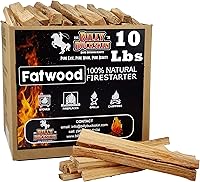
A fire starter is useful when kindling alone is slow to catch. Billy Buckskin Fatwood 10 lb consists of resin-rich pine sticks intended for fire starting, and a few small pieces can be placed among kindling.
This bulk box makes sense if you start outdoor fires often and have a dry place to store it. If you light a fire only once in a while or prefer individually wrapped starters, a smaller, portioned option may be easier to keep on hand.
What should you avoid burning in a fire pit?
Don't burn treated, painted, glued, or coated wood, household trash, or plastic. These materials can release unwanted smoke or fumes, while light scraps may lift out of the fire as burning debris.
Skip pressure-treated lumber, plywood, particleboard, packaging, and glossy or heavily printed cardboard. Wet or moldy firewood is also a poor choice because it can be hard to light and smoky.
Avoid leaves and loose yard waste, which can burn quickly and send ash or embers beyond the pit. Never use gasoline, lighter fluid, or another accelerant to start or revive a fire.
If you aren't sure a material is safe, leave it out and check the pit manual or local fire guidance. A material catching flame easily doesn't make it a suitable fuel.
Does firewood need to be dry before burning?
Yes, use dry, seasoned logs whenever possible. They catch more readily and tend to make less smoke than damp wood, which helps keep the fire easier to manage.
Store firewood off the ground with airflow around the pile. A cover over the top can help shield logs from rain while leaving the sides open.
The Artibear 4-Foot Firewood Rack holds logs 4 inches off the ground and has a stated capacity of up to 550 lb. Its steel frame is a practical option if you have a hard, level place to keep a larger stack.
Measure the space first: the rack is about 4 ft wide, 1 ft deep, and 3.8 ft high. Put it on a stable hard surface such as paving stones, concrete, or gravel, and keep the wood away from the fire pit and other ignition sources.
If you have little storage space or burn only a few logs at a time, skip a full-size rack and keep a smaller amount of wood in a dry, ventilated spot. Bring only the fuel you expect to use near the fire.
Which fire starter should you choose?
Choose a starter based on how you like to build a fire and how often you use one. Fatwood is a wood-based option, while Duraflame Fire Starter uses wax and renewable biomass and comes individually wrapped.
Billy Buckskin Fatwood suits people who want natural pine sticks and already use kindling. Place a small amount among the kindling and light it as directed; it can be a poor fit if you want a pre-portioned starter with less measuring.
Duraflame Fire Starter suits occasional fire makers who want separate starters ready to use. Its 24-pack is described for indoor and outdoor fires, including fire pits and campfires, and the individually wrapped format helps keep unused pieces together.
Place the starter as directed, then let the kindling catch before adding larger logs. Don't combine starters, add more after the fire is going, or use starter fluid to compensate for damp wood.
For a clear fire-building order, read how to start a fire in a fire pit. If smoke keeps blowing toward your seating area, check the fuel and fire size with these ways to reduce smoke from a fire pit.
Can you burn charcoal, pellets, or yard waste?
Use charcoal or pellets only if your fire pit is designed for that fuel and its manual permits it. Wood-burning and gas pits have different fuel needs, so don't assume one can safely use another's fuel.
A gas fire pit must use the fuel specified by its maker. Don't put wood, pellets, or fire starters in the burner area unless the manual explicitly says to do so.
Loose yard waste is best left out. Leaves and grass can flare quickly, while small branches can create extra smoke and embers.
If you are choosing a pit as well as fuel, compare the options in this guide to outdoor fire pits and their fuel types. The pit's design and instructions determine what belongs in it.
How can you keep a wood fire under control?
Keep the fire modest, add logs gradually, and stay nearby while it burns. Place seating and flammable items at a safe distance, and use a spark screen if your pit includes one.
Use a poker or tongs to reposition logs instead of reaching over the flames. The himaly Poker and Tongs Set includes a 32 in poker and 26 in tongs, which gives you reach for adjusting a wood fire.
The set is made of metal, has a rust-resistant finish for outdoor use, and the tongs fold for storage. It's a useful choice for fires that need tending; if you rarely move logs, a dedicated tool set may take up storage without much benefit.
Keep the tools on a stable surface and out of children's reach when they're hot. If smoke is heavy, stop adding wood and check whether the fuel is damp or the fire is too large.
What should you do with fire pit ashes?
Wait until the fire and ashes are fully cold before removing them. Embers can stay hot beneath gray ash after the flames are gone, so follow your pit manual and local rules for extinguishing and cleanup.
Use a metal container with a tight-fitting lid for ash storage. Keep it outside on a noncombustible surface, away from buildings and anything that can burn.
Don't put ash in plastic or paper, or on a deck or lawn while it may still be warm. Follow how to put out a fire pit safely before you leave the fire unattended or begin cleanup.
How to choose what to burn in a fire pit
Pick dry, untreated firewood for the main fuel, then choose a starter and storage setup that match your habits. The manual and local rules are the final check for any fuel.
If you burn often and have room, keep seasoned logs off the ground in a ventilated rack. If you make occasional fires, store a modest amount and choose a starter format that is easy to use without overloading the fire.
Use kindling and one appropriate starter to get the first logs going. Add wood slowly, keep the flames within the bowl, and use tools to adjust logs from a distance.
Avoid treated wood, trash, loose yard waste, and any fuel not approved for your pit. For a wood-burning setup, dry, untreated logs are the clearest answer to what to burn in a fire pit; read the steel and wood-burning fire pit guide for help choosing a compatible pit.
Frequently asked questions
What is the best thing to burn in a fire pit?
Dry, untreated firewood is the best fuel for most wood-burning fire pits. Choose seasoned logs that fit inside the pit and leave room for air to move around them.
Add a little clean kindling to help the logs catch.
Check the pit manual and local rules before lighting a fire, since some areas limit wood fires or require specific fuels.
Can you burn cardboard in a fire pit?
Avoid burning cardboard in a fire pit. It can send light pieces and ash into the air, and printed or coated cardboard may add unwanted smoke.
Use a small amount of dry kindling or an outdoor fire starter intended for fires instead.
Can you burn pine in a fire pit?
You can burn dry, untreated pine if your fire pit manual allows it. Pine may spark and pop more than some other woods, so keep the fire modest and use a spark screen if your pit supports one.
Can you burn charcoal in a fire pit?
Only burn charcoal if the fire pit is designed for it and the manual allows it. Charcoal can stay hot after flames fade, so handle the ashes carefully and follow the manual for cooling and disposal.