Do Fire Pits Rust? How to Slow It Down
Yes, many steel and cast-iron fire pits can rust when moisture reaches the metal. Dry the pit after use, clear out ash, and cover it only when it is cool and dry.
On this page (7 sections)
Yes, many steel and cast-iron fire pits can rust when moisture reaches the metal. Dry the pit after use, remove ash, and cover it only when the bowl is cool and dry.
Rust is easier to slow than to reverse. The right care depends on the material, any finish, and how the pit is stored between fires.
Do fire pits rust when left outside?
Yes, an outdoor fire pit can rust when rain, dew, or damp ash stays against bare or damaged metal. Heat, scratches, and long periods of trapped moisture can speed up corrosion.
Steel pits often have a coating or finish that limits direct exposure to water. Once that layer wears through, rust can start at the exposed spot and spread.
Cast iron can also rust when it stays damp. For a closer look at how common materials compare, read our guide to fire pit materials.
Stainless steel resists corrosion better than ordinary steel, but it isn't maintenance-free. Dirt, ash, salt, and moisture can still leave marks or contribute to corrosion in some conditions.
What makes rust form faster?
Standing water, wet ash, and damaged finishes give rust a better chance to form. Regular drying and clearing the bowl reduce the time moisture sits against metal.
Ash can hold moisture against the base of a fire pit. Once the fire is completely out and the bowl is cool, remove ash according to the manufacturer's instructions.
Scratches and chips expose metal beneath a coating. Avoid scraping the bowl with tools that can damage its finish, and use only cleaning products the manufacturer allows.
A tight cover can keep rain off, but covering a wet pit can trap moisture. Let both the bowl and ash dry before putting on a cover.
How do you keep rust from spreading?
Clean off loose debris and dry the affected area before deciding what care it needs. Check the maker's instructions before sanding, applying a coating, or using a rust remover.
A small orange mark may be surface rust, but deep pits, holes, warped panels, and loose joints can signal structural damage. Don't burn wood in a pit with a weakened bowl or base.
Never apply paint, oil, or a chemical coating inside the fire bowl unless the manufacturer specifically approves it for high heat and direct flame. A coating that isn't made for those conditions can create smoke or fail during use.
How should you protect a fire pit between fires?
Let the pit cool completely, clear dry ash, and keep rain off it while allowing trapped moisture to escape. Store it in a dry place when practical, or use a correctly sized cover once the metal is dry.
Set a cover so it doesn't hold water against the bowl or collect rain in a low spot. If the pit or cover gets wet, uncover it when weather allows and let both dry.
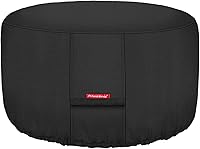
The Porch Shield cover fits fire pits up to 36 in in diameter and 20 in high. Its elastic hem, buckle straps, and air vents can help secure the cover and limit internal condensation.
Measure the pit before choosing a cover, including its height and any handles or attached parts. A cover that's too tight or too loose may not protect the areas you need.
When does a fire pit cover help most?
A cover helps most when the pit is cool, dry, and exposed to rain, leaves, or dust. Remove it after wet weather when you can, so the bowl has a chance to air out.
The SheeChung cover fits round fire pits up to 36 in across and is 24 in high. Its drawstring tightens around the bottom, and the fabric is 600D polyester.
Choose between covers by checking both diameter and height. Read more about cover and storage options in fire pit accessories worth buying.
Does Corten steel rust?
Yes, Corten steel forms a rust-colored patina as it weathers. That surface layer gives the material its distinctive look and can help slow further corrosion, but it doesn't prevent all rust-related wear.
Corten can leave rust-colored runoff on nearby stone, concrete, or decking, especially as the surface develops its patina. Place the pit where runoff won't stain a surface, and follow the brand's care directions.
The Breeo X Series 24 Corten is a wood-burning fire pit made from Corten steel. Breeo provides a limited lifetime warranty for manufacturer defects and additional 3-year coverage against burn-through and rust-through.
Read our Corten steel fire pit guide for more on the material's appearance and care. A patina is expected, but it isn't a reason to ignore holes, severe pitting, or other damage.
Does stainless steel rust?
Stainless steel is more corrosion resistant than ordinary steel, but it can still corrode in some conditions. Keep it clean and dry, and follow any care steps for its finish.
The OutVue 27-Inch Smokeless is made from stainless steel and includes a waterproof cover. OutVue recommends covering it when cooled and not in use, and storing the assembled fire pit in a cool, dry place.
Don't assume the included cover replaces drying the pit first. Clear ash after the fire is fully out, check that the bowl is dry, and then cover it.
See heavy-duty fire pits: what to check before you buy for factors such as material and construction. Those details can help you weigh upkeep alongside the pit's size and fuel.
When should you stop using a rusty fire pit?
Stop using a fire pit if rust has weakened its structure or opened holes in the bowl. Surface color alone isn't enough to judge its condition.
Before each fire, check the base, legs, welds, and bowl for deep pitting, cracks, warping, or loose parts. Don't use a damaged pit until the manufacturer confirms whether it can be repaired safely.
Keep children and pets away while you inspect or clean the pit. Wait until the fire is fully out and the metal has cooled before touching it.
How can you slow fire pit rust over time?
To slow fire pit rust, keep moisture and ash from sitting against the metal. Dry the bowl after rain, remove ash after it cools, and cover the pit only when it's fully dry.
Choose a cover that fits the pit's shape and height, and let damp materials air out. For Corten, expect a rust-colored patina, but watch for damage that affects the bowl or its supports.
If your pit stays outdoors, check it before and after the season. Use the manufacturer's care instructions for cleaning and repairs, and replace a pit that has lost structural strength.
Frequently asked questions
Do all fire pits rust?
No. Steel and cast iron can rust when exposed to moisture, while stainless steel is more corrosion resistant but can still stain or corrode in some conditions.
A coating, material grade, heat exposure, and care all affect how a pit ages.
Check the care guidance for your specific model.
Should I cover a fire pit after every use?
Cover a fire pit after it has cooled fully and the bowl and ash are dry. A cover can limit rain, leaves, and dust, but trapping moisture beneath it can slow drying.
Remove the cover after wet weather when conditions allow, and let the pit air out before covering it again.
Does Corten steel rust?
Yes, Corten steel develops a surface rust layer as it weathers. That patina is part of its appearance and can help slow further corrosion, but it does not make the fire pit immune to damage.
Follow the brand's placement and care directions, especially around surfaces that rust-colored runoff could stain.
Can I burn wood in a rusty fire pit?
Surface discoloration alone does not tell you whether a fire pit is safe to use. Check for deep pitting, holes, loose joints, warped parts, or a weakened base, and follow the manufacturer's instructions.
Stop using a pit with structural damage until the maker advises whether it can be repaired.