Fire Pit Materials: Steel, Cast Iron, Stainless, Corten
Choose fire pit materials by matching the metal and finish to your space, handling needs and care routine. Steel offers many designs, cast iron has a substantial feel, stainless steel appears in outdoor pits, and Corten gives the Breeo X Series 24 its distinctive material.
On this page (8 sections)
- Which fire pit materials should you choose?
- What should you know about steel fire pits?
- Is cast iron a good material for a fire pit?
- Does stainless steel work well outdoors?
- What makes Corten steel different?
- How should you set up and care for a metal fire pit?
- What common fire pit material mistakes should you avoid?
- Which fire pit material fits your priorities?
Fire pit materials affect how a pit looks, how easy it is to move and what care it needs. Steel spans many designs, cast iron gives a bowl a substantial feel, stainless steel is used in outdoor models, and Corten steel has a weathering finish.
The material name is only a starting point. Before buying, check the individual pit’s weight, finish, drainage, placement instructions and storage needs, then compare them with your space and routine.
For a broad overview of wood, smokeless and gas designs, start with our outdoor fire pit guide. This guide focuses on metals used in wood-burning pits.
Which fire pit materials should you choose?
Choose fire pit materials by considering where the pit will sit, who will handle it and how much upkeep you’ll do. A finish, bowl shape or airflow design can matter as much as the metal itself.
| Material | A good fit when you want | Check before buying |
|---|---|---|
| Steel | A wide choice of shapes and finishes | Finish, weight, drainage and care instructions |
| Cast iron | A solid-feeling bowl with a rustic look | Handling, water management and storage |
| Stainless steel | A metal pit with a polished or painted finish | The exact finish and cleaning guidance |
| Corten steel | A weathering-steel look | Finish guidance, location and possible runoff |
These are useful starting points, not promises about every fire pit made from a material. Designs and finishes vary, so use the specific model’s instructions to decide where it can go and how you’ll protect it.
If you’re choosing a wood-burning model, compare the options in our steel wood fire pits guide. If you want a design made to reduce smoke, see the smokeless fire pit guide.
How do fire pit materials affect weight and placement?
Materials affect weight, but a pit’s size and construction matter too. The two models in this guide with stated weights are close in weight: the Sunnydaze cast iron bowl is 18.2 lb, and the Amazon Basics alloy-steel pit is 17.6 lb.
Think through the full route from storage to use before choosing a heavy or awkward shape. A pit that stays in one spot can be a practical choice even if it takes effort to reposition, while frequent moves call for a model you can handle safely after it has cooled.
Keep the surface and nearby furniture in mind as well. OutVue says its model should not be used on grass or wooden floors, and Sunnydaze recommends stone, brick, gravel or a fire-safe pad for its bowl.
What should you know about steel fire pits?
Steel fire pits come in many designs and finishes, from open lattice bowls to double-wall smokeless models. Consider how the shape and included parts fit your use, then follow the care guidance for the chosen finish.
The Amazon Basics 27-Inch Lattice is an alloy-steel wood pit with a painted finish. It measures 27.4 in across and 25.6 in high, and includes a spark screen and fire poker.
Its open lattice design provides a 360-degree view of the fire. That makes it a clear match for people who want to see the flames from different sides of a seating area.
This model suits buyers who want a basic wood-burning bowl and the convenience of a screen and poker in the same package. Skip it if you want a smokeless design, a cover included, or a material other than alloy steel.
Set it up on a surface suitable for the model and keep the spark screen and poker within reach. Before lighting a fire, check the assembly and placement instructions, and leave space between the pit, furniture and anything that can catch fire.
Steel is a broad category, so don’t assume all steel pits have the same finish or upkeep. For a sturdier design, compare the construction details in our heavy-duty fire pit guide.
Is cast iron a good material for a fire pit?
Cast iron suits buyers who want a substantial bowl with a rustic appearance and can manage its care. The Sunnydaze 24-Inch Cast Iron Bowl has a 24 in diameter and weighs 18.2 lb.
Sunnydaze says the bowl has no drainage holes. After rain, empty water using the built-in handles, remove ash after the fire has cooled, and store the bowl dry with a cover when it is not in use.
The cover is not included, so plan how you’ll protect the bowl from rain before setting it up. Its three legs form the base, and assembly involves attaching the legs and handles with the included hardware.
This bowl suits people who want a simple wood-burning fire bowl for a small gathering and can leave it in place or move it carefully. Skip it if you need built-in drainage, want a cover in the box, or expect to move the pit while it is hot.
The handles can become hot during use. Move the bowl only after the fire is completely out and the pit has fully cooled, and wear heat-resistant gloves as Sunnydaze advises.
Choose cast iron when the weight and water-care routine fit your plans. For a direct comparison of the two materials, read cast iron vs steel fire pit.
What setup and care does a cast iron bowl need?
A cast iron bowl needs a level, fire-safe surface and a plan for rain and ash. Sunnydaze recommends stone, brick, gravel or a fire-safe pad, and advises keeping the bowl covered and dry when it is not in use.
Because this bowl has no drainage holes, don’t leave rainwater sitting in it. Wait for it to cool, empty the water, clear ash and let the bowl dry before covering it.
Does stainless steel work well outdoors?
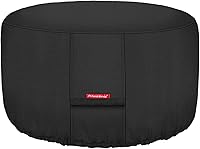
Stainless steel appears in outdoor fire pits, including the OutVue 27-Inch Smokeless. Its stainless-steel body has a painted finish, and the wood-burning model comes with a waterproof cover and poker.
OutVue describes an internal airflow system designed for a low-smoke fire. It also says the pit can be assembled without tools and taken apart for transport and storage.
That combination suits buyers who want a smokeless-style wood pit with a cover and poker included. Skip it if you need a fire pit approved for grass or wooden floors, since OutVue says not to use it on those surfaces.
The model measures 27 in across and 19.2 in high. Check whether those dimensions fit the intended spot, allow room around the pit and work with your seating before ordering.
After use, wait until the pit is fully cool before cleaning or covering it. OutVue advises keeping it covered when cool and storing it in a cool, dry place.
What makes Corten steel different?
Corten steel gives the Breeo X Series 24 its weathering-steel material and distinctive finish. It also has double-wall construction and secondary combustion holes, while Breeo’s X Airflow technology is designed to feed oxygen to the fire and help minimize smoke.
Breeo says this wood-burning pit works with its live-fire cooking accessories. That makes it a fit for buyers who want a Corten design and may want to add compatible cooking options.
The pit suits someone planning a fixed outdoor spot for a wood fire and who values the Corten finish and accessory compatibility. Skip it if you want a lightweight pit to move often: it weighs about 62 lb.
Before choosing a location, check Breeo’s care guidance for weathering, runoff and storage. The product details identify the body as Corten steel but don’t describe how the finish changes outdoors.
For a closer look at this material choice, see is a Corten steel fire pit worth the money?. If low smoke is a priority, compare the trade-offs in our smokeless vs regular fire pit guide.
How should you set up and care for a metal fire pit?
Set up a metal fire pit on a surface allowed by its instructions, with clear space around it. A material label by itself doesn’t confirm that a model is safe for a deck, lawn or covered patio.
Read the model’s assembly and placement directions before lighting it. Check that the parts are secure, the pit sits level and the chosen location keeps the fire away from furniture, dry leaves and other flammable items.
Keep children and pets at a safe distance. OutVue specifically advises keeping more than 0.5 m between people and its pit, with extra care around children and pets.
Wait for the fire to go out and the pit to cool completely before moving it, emptying ash or putting on a cover. Hot handles, ash and embers can remain hazardous after the flames disappear.
Use the care steps that match the model. Sunnydaze advises emptying rainwater from its cast iron bowl and storing it dry; OutVue advises covering its pit only after it has cooled and storing it in a cool, dry place.
Our guide to how to clean a fire pit and handle the ashes covers cleanup. For rust prevention and weather exposure, see do fire pits rust?.
What common fire pit material mistakes should you avoid?
The most common mistake is buying by metal name alone. Two steel pits can have different finishes, weights, shapes and included parts, so check the whole model against the way you’ll use it.
Don’t assume a heavy pit is difficult to care for or that a lighter one can go anywhere. Placement rules are model-specific, and the OutVue instructions rule out grass and wooden floors.
Avoid leaving water or ash in a pit without checking the care guidance. Standing water can contribute to corrosion, while a bowl without drainage needs extra attention after rain.
Don’t move a hot pit by its handles. The Sunnydaze handles can become hot, and its instructions call for waiting until the fire is out and the bowl has fully cooled.
Finally, don’t treat “smokeless” as a promise of no smoke under every condition. Breeo and OutVue describe designs intended to minimize smoke, but wood quality, airflow and fire management still affect how a fire burns.
Which fire pit material fits your priorities?
Choose the exact pit that matches your space, handling needs and care routine. Pick the Amazon Basics alloy-steel model for an open lattice design with a screen and poker, the Sunnydaze cast iron bowl for a substantial rustic bowl, the OutVue stainless-steel pit for an included cover and poker, or the Breeo Corten model for its material, airflow design and accessory compatibility.
Measure the intended area, confirm the placement rules, and decide whether you’ll move or cover the pit between uses. For more buying help, start with our steel wood fire pits guide or fire pit buying help guide.
Which fire pit materials FAQs matter before you buy?
What material is best for a fire pit?
The best fire pit material is the one that fits your placement, handling and care needs. Steel offers many designs, cast iron makes a substantial bowl, stainless steel is used in outdoor pits, and Corten gives a pit a distinctive finish.
Compare the exact model’s finish, weight, drainage and care instructions.
Do stainless steel fire pits rust?
Stainless steel can still stain or corrode under some conditions, and the exact result depends on the material, finish and care. Keep the pit clean and dry when it is not in use, and follow its care guidance.
For any metal pit, check how it handles rain and standing water.
Is Corten steel supposed to rust?
Corten is a weathering steel, and its surface can develop a rust-colored patina as it weathers. The Breeo X Series 24 is made of Corten steel, but check Breeo’s guidance for the expected finish changes, runoff and care before choosing a location.
Is cast iron or steel better for a fire pit?
Cast iron may suit you if you want a substantial bowl and do not expect to move it often. Steel comes in a wide range of designs and builds, so the right choice depends on the exact pit.
Compare weight, finish, drainage and storage needs in our cast iron versus steel fire pit guide.
How do I protect a metal fire pit from rust?
Let the pit cool fully, remove ash, keep standing water out and store or cover it according to the maker’s instructions. Sunnydaze advises emptying rainwater from its cast iron bowl, which has no drainage holes, and storing it dry.
Our guide to whether fire pits rust covers more care steps.
Frequently asked questions
What material is best for a fire pit?
The best fire pit material is the one that fits your placement, handling and care needs. Steel offers many designs, cast iron makes a substantial bowl, stainless steel is used in outdoor pits, and Corten gives a pit a distinctive finish.
Compare the exact model’s finish, weight, drainage and care instructions.
Do stainless steel fire pits rust?
Stainless steel can still stain or corrode under some conditions, and the exact result depends on the material, finish and care. Keep the pit clean and dry when it is not in use, and follow its care guidance.
For any metal pit, check how it handles rain and standing water.
Is Corten steel supposed to rust?
Corten is a weathering steel, and its surface can develop a rust-colored patina as it weathers. The Breeo X Series 24 is made of Corten steel, but check Breeo’s guidance for the expected finish changes, runoff and care before choosing a location.
Is cast iron or steel better for a fire pit?
Cast iron may suit you if you want a substantial bowl and do not expect to move it often. Steel comes in a wide range of designs and builds, so the right choice depends on the exact pit.
Compare weight, finish, drainage and storage needs in our cast iron versus steel fire pit guide.
How do I protect a metal fire pit from rust?
Let the pit cool fully, remove ash, keep standing water out and store or cover it according to the maker’s instructions. Sunnydaze advises emptying rainwater from its cast iron bowl, which has no drainage holes, and storing it dry.
Our guide to whether fire pits rust covers more care steps.