Smokeless vs Regular Fire Pit: What You Gain and Lose (October 2026)
Choose a smokeless fire pit to help reduce smoke, or a regular pit for an open fire view. Both burn wood, but airflow, cleanup and the way you use the fire can change which style fits you.
On this page (10 sections)
- Smokeless fire pit vs regular: what is the main difference?
- Which one gives you a better view of the fire?
- Does a smokeless pit really mean less smoke around guests?
- Which style is easier to clean?
- What do you gain and lose with a smokeless fire pit?
- What do you gain and lose with a regular fire pit?
- Which fire pit style fits your patio or yard?
- How do fuel and accessories affect the choice?
- Which type should you choose?
- Sources
A smokeless fire pit is designed to help reduce smoke, while a regular fire pit offers a more open fire view. The smokeless fire pit vs regular choice comes down to your tolerance for smoke, the fire view you want and how much cleanup you can manage.
A smokeless design uses airflow to help burn wood with less smoke. A regular fire pit can offer an open view of the flames, but it doesn't use that same low-smoke design.
Both styles need safe placement, suitable fuel and attention while burning. For a broader look at wood, smokeless and gas options, see our plain guide to outdoor fire pits.


Smokeless fire pit vs regular: what is the main difference?
A smokeless pit is designed to reduce smoke through airflow; a regular pit puts more emphasis on an open bowl and direct fire view. Neither style guarantees a smoke-free fire.
Smokeless pits often draw air through openings and move it toward the upper part of the fire. That airflow can help burn smoke particles, though results depend on fuel and fire conditions.
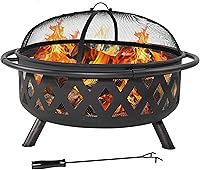
A regular pit may have a grate or cutouts that help feed the fire, but these features don't make it smokeless. The Sunnydaze Crossweave has mesh-covered cutouts and a built-in log grate that draw air from below.
The difference is practical: with a smokeless model, you prioritize reduced smoke; with a regular model, you may value a simpler shape and a clear view through the sides. Our smokeless fire pit guide explains how the design works.
What does “smokeless” mean for a wood fire?
“Smokeless” means the pit is designed to reduce smoke, not eliminate it. Wood can still smoke while lighting, when damp, or when the fire isn't burning cleanly.
The TIKI is designed to help reduce smoke and ash through internal airflow. The OutVue also uses an internal airflow system and describes its fire as low smoke.
For either pit, use suitable firewood and follow the instructions for building and maintaining a fire. If smoke is the problem you want to solve, our guide to reducing fire pit smoke covers fuel and fire habits that matter across both styles.
Which one gives you a better view of the fire?
A regular pit usually gives you a more direct view through its sides, while a smokeless pit has a more enclosed body. Pick the appearance that suits the way you gather around the fire.
The Sunnydaze Crossweave has decorative openings that let firelight show through its sides. Its spark screen adds a mesh layer over the top and helps contain flying embers.
Smokeless pits tend to keep more of the fire inside the bowl and airflow structure. You still see the flames from above, but the side view may be less open.
Consider who sits around the pit and where they sit. If you like watching flames from several angles, an open-sided style may be more appealing; if your focus is reducing smoke around seating, a smokeless design may be worth considering.
Does a smokeless pit really mean less smoke around guests?
It can help reduce smoke, but wind and fuel still affect where smoke goes. No fire pit can control every outdoor condition.
A low-smoke design can make gatherings more comfortable for people who dislike smoke drifting toward them. It doesn't remove the need to place seating with wind direction in mind or to avoid damp wood.
A regular pit may send smoke toward nearby chairs, especially as the fire starts or dies down. Move seats when the wind shifts, and keep the fire at a manageable size.
The TIKI and OutVue are both designed to reduce smoke. The TIKI includes an ash pan and a weather-resistant cover; the OutVue includes an ash tray, poker and waterproof cover.
If you need less smoke but also want to compare fuel types, our outdoor fire pit guide covers the differences between wood and gas fires.
Which style is easier to clean?
The easier option is the one with an ash system you can remove and empty after the fire has cooled. Smokeless pits have removable ash pans or trays, while a regular bowl can require more direct cleanup.
The TIKI has a removable ash pan. The OutVue has a removable ash tray that lifts out for emptying.
The Sunnydaze bowl has no drainage holes, so empty rainwater before the next fire. Its cover helps keep rain off between uses.
Never dump hot ash into a bin or leave it where wind can scatter it. Follow the fire pit's care instructions, and see our fire pit cleaning guide for a safe cleanup routine.
What do you gain and lose with a smokeless fire pit?
You gain a design intended to reduce smoke, but trade some open-sided fire access and may pay more for airflow features. Check how the pit works with your fuel, accessories and storage space.
A smokeless pit can be a better fit for a patio where smoke drifting toward chairs is a frequent annoyance. The TIKI measures 24.75 inches across, while the OutVue measures 27 inches across.
The tradeoffs include parts to keep clean and the fact that “smokeless” does not mean smoke-free. Accessories such as a screen or heat deflector for the TIKI are sold separately.
Choose a smokeless model when lower smoke is a clear priority and you are comfortable with its care routine. If you want a simpler fire bowl, compare open designs in our wood-burning fire pit picks.
What do you gain and lose with a regular fire pit?
A regular pit can give you an open fire view and a straightforward wood-burning setup, but you should expect smoke and more direct ash handling. It may suit people who want the traditional look and don't mind tending the fire.
The Sunnydaze Crossweave measures 36 inches across at its outer ring and is designed for gatherings of 6 to 8 people. It includes a spark screen, poker and cover.
That larger footprint needs more room around it. Sunnydaze recommends placing it on stone, brick, gravel or a fire-safe pad to shield decks, patios and porches from heat.
A regular pit also gives you less control over smoke through design alone. Dry wood and careful fire management help, but smoke can still move toward people depending on wind and burn conditions.
Which fire pit style fits your patio or yard?
Choose based on the space, safe surface and number of people you gather with. A pit that fits the seating area on paper still needs the clearances in its instructions.
The TIKI measures 24.75 inches wide and deep, with a height of 18.75 inches. The OutVue measures 27 inches across and 19.2 inches high, while the Sunnydaze outer ring measures 36 inches across.
Those dimensions are not the full space each fire pit requires. Include room for people to move, nearby furniture, and the safe distances stated by the manufacturer.
The OutVue instructions warn against using it on grass or wooden floors. Sunnydaze recommends stone, brick, gravel or a fire-safe pad.
If you're deciding between a compact pit and one for a bigger group, use our fire pit size guide to think through seating and footprint. Check local fire rules before lighting any outdoor fire.
How do fuel and accessories affect the choice?
The best fit is the pit that accepts the fuel you plan to use and has the accessories your routine needs. Don't assume every wood-burning pit supports pellets or packaged fuel.
The TIKI can burn natural cut firewood or TIKI Wood Packs. The OutVue can burn wood or pellets, while the Sunnydaze is wood burning.
Included accessories differ. TIKI comes with a stand and weather-resistant cover, while its screen and poker, heat deflector, tabletop and griddle are separate accessories.
The Sunnydaze includes a spark screen, poker and cover. The OutVue includes a poker and waterproof cover.
If you expect to cook, check cooking compatibility and accessory instructions before buying. Our fire pit accessories guide explains which add-ons may help and which may not earn their space.
Which type should you choose?
Pick a smokeless fire pit if reducing smoke is your main goal; pick a regular pit if open flames and a simpler bowl matter more. Match the choice to your space, fuel and willingness to handle ash.
The TIKI Patio 25-Inch Smokeless is a strong fit for a patio setup with a removable ash pan and included cover. The OutVue 27-Inch Smokeless is another low-smoke option with a removable tray, while the Sunnydaze Crossweave suits a larger group that wants an open fire view.
Choose a regular pit when smoke is manageable and you want the glow visible through the sides. Choose smokeless when smoke has been the main drawback, while keeping realistic expectations about fuel and wind.
For a closer look at fire pit types and where each one fits, start with our outdoor fire pit guide.
Sources
Frequently asked questions
Does a smokeless fire pit make no smoke?
No. A smokeless fire pit is designed to reduce smoke, not remove it completely.
Firewood moisture, airflow and how the fire is managed still matter.
Choose one if less smoke is a priority, and review our guide to cutting down fire pit smoke for steps that help with either style.
Is a regular fire pit better for cooking?
A regular fire pit can suit cooking when its design supports the method and you use appropriate cookware. Neither style automatically comes ready for every cooking task.
Check the exact fire pit and accessory instructions, and keep food and cookware away from surfaces that aren't made for cooking.
Which fire pit is easier to clean?
Cleanup depends on the design. The TIKI has a removable ash pan, and the OutVue has a removable ash tray; the Sunnydaze bowl needs its ashes and any rainwater managed separately.
Let every fire pit cool completely before handling ash, then follow its care instructions.
Can you use a smokeless fire pit on a deck?
Only use a fire pit on a deck if its instructions allow that surface and you can protect it from heat and embers. The OutVue instructions warn against wooden floors, while the Sunnydaze guidance calls for stone, brick, gravel or a fire-safe pad.
Check local rules and the exact manual before use.
Which fire pit should I choose for a small patio?
Choose by both footprint and safe clearance, not bowl size alone. The TIKI measures 24.75 inches across, the OutVue measures 27 inches, and the Sunnydaze outer ring measures 36 inches.
Measure furniture, walking space and the clearances required by the manual before choosing.