How to Clean a Fire Pit and Handle the Ashes
To learn how to clean a fire pit, let it cool completely, remove cold ash, then clean the bowl according to its material and fuel. Use gloves and a lidded metal container for ash.
On this page (8 sections)
- How do you clean a fire pit safely?
- How should you remove and store wood ash?
- How do you clean a steel or iron fire pit bowl?
- How do you clean a smokeless fire pit?
- How do you clean a gas fire pit?
- When should you cover a fire pit?
- Which fire pit cleaning tools should you choose?
- What is the right fire pit cleaning routine?
To clean a fire pit, wait until it is completely cool, remove cold ash, and clean the bowl based on its material and fuel type. Wear gloves, use a metal container for ash, and keep it away from anything that can burn.
Wood-burning pits need ash removal and a dry bowl before storage. Gas fire pits need care around the burner and controls, so follow the owner's manual rather than washing them like an empty steel bowl.
How do you clean a fire pit safely?
Make sure the fire, embers, and ash are fully cold before you start. A fire can look out while hot material remains under the ash.
Wear work gloves and use a metal shovel or scoop. Keep children and pets clear of the work area, and don't use a household vacuum, plastic bucket, or paper bag for ash.
Remove loose debris from around the pit. If you need to move the fire pit, wait until it is cool and follow the maker's instructions for lifting it.
For a safe shutdown sequence before cleaning, see how to put out a fire pit safely. Cleaning comes after the fire is fully out, not while embers are still glowing.
What tools help with fire pit cleanup?
A metal shovel and stiff brush help gather cold ash without using your hands. A long poker or tongs can help you shift logs while a fire is burning, but use them only as their maker directs.
The Pure Garden set is a good fit for occasional fires and smaller ash loads. It pairs a 2.11-gallon lidded metal bucket with a shovel and broom, plus side storage that keeps the tools together.
Choose the F2C bucket if your fires leave more ash or you want to empty the container less often. Its 5.5-gallon capacity and included shovel suit frequent gatherings, while the larger bucket is unnecessary if you produce only a small amount of ash.
How should you remove and store wood ash?
Scoop only cold ash into a metal container with a secure lid. Move slowly so ash doesn't scatter into the air or onto nearby combustible surfaces.
Leave the ash container outdoors on a noncombustible surface, away from buildings, decks, leaves, and firewood. Keep it closed while you check for warmth later, since ash can hold hidden embers.
Don't put ash into a compost pile or household rubbish until you are certain it is fully cold. Local fire-safety guidance may set specific disposal rules, so check with your fire department if you are unsure.
Ash removal frequency depends on how often you use the pit and how much ash it holds. Keep air openings clear, and avoid piling ash high enough to block a wood-burning pit's airflow.
A common mistake is emptying the ash pan or bowl after the surface looks gray but before the material underneath is cold. If there is any warmth, stop and leave it in place until it has cooled fully.
How do you clean a steel or iron fire pit bowl?
Remove cold ash, then brush or wipe loose residue from the bowl. Use a dry cloth first, and check the pit's care instructions before adding water or cleaners.
Steel and iron can rust when left wet. Dry the bowl fully after any allowed wash, and don't leave pooled water or damp ash inside.
Avoid harsh abrasives that could damage a finish. If the bowl has a coating, use only cleaning methods the maker approves.
To slow rust after cleaning, review whether fire pits rust and how to slow it down. Material and finish affect the care routine, so fire pit materials explained can help you identify what your bowl is made from.
How do you clean a smokeless fire pit?
Empty cold ash and clear the air holes without forcing tools through them. Restricted airflow can affect how the pit burns, so keep openings free of packed ash and debris.
Follow the manual for removable inner walls or ash pans. Don't pry parts loose if they do not lift out easily, and avoid washing components unless the instructions allow it.
Use a poker or tongs to move logs during a fire, keeping your hands away from the hot rim. The himaly set has a 32-inch poker and foldable 26-inch tongs for log handling; skip it if you only need an ash scoop or broom.
For smoke issues that may point to damp wood or airflow, see how to cut down smoke from a fire pit.
What mistakes should you avoid when cleaning a fire pit?
Don't clean warm ash, vacuum it, or push tools into burner ports and air holes. Each mistake can create a fire risk or damage parts that need clear airflow.
Don't use a hose on gas components or a coated bowl unless the care instructions allow it. Skip metal scraping on finishes that could scratch or expose bare steel.
Don't choose an ash bucket by capacity alone. Check where it will sit, how much ash your fires produce, and whether you can carry it safely when partially full.
How do you clean a gas fire pit?
Turn off the gas supply and let the fire pit cool before removing debris. Clean the burner area only as the owner's manual directs.
Keep water, ash, and cleaning products out of burner ports, valves, and ignition parts unless the manufacturer says they are safe to use there. Don't scrape burner holes with sharp tools.
Wipe the exterior with a method approved for its material. For glass media or lava rock, follow the instructions for that specific setup rather than mixing it with wood-ash cleanup.
When should you cover a fire pit?
Cover a fire pit only when it is completely cool and dry. A cover can help keep rain, leaves, and dust away between uses, but it should not trap heat or moisture inside.
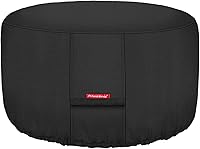
Measure the pit's diameter and height before choosing a cover. The QH.HOME cover fits round fire pits up to 36 inches in diameter and stands 20 inches high, with a drawstring closure and air vents.
This cover suits owners of round pits that match those measurements. Skip it if your pit is a different shape or taller than 20 inches, and measure before ordering instead of assuming a nominal size will fit.
For more choices and fit checks, see fire pit covers and accessories. A cover that is too small may not fit over the bowl, while an oversized one may need a closer fit at the drawstring.
Which fire pit cleaning tools should you choose?
Match the tool to the cleanup job and the amount of ash your fires leave. A small bucket set handles routine cleanup, a larger pail suits frequent fires, and a cover protects a cooled pit between uses.
Choose the Pure Garden set when you want the shovel, brush, and lidded bucket together for modest ash loads. Pick the F2C bucket when capacity is the priority, and choose the himaly set only if you also need tools for moving logs.
The QH.HOME cover makes sense for a round pit that fits within its diameter and height. It won't help with ash removal, and it should never go on a hot or damp pit.
What is the right fire pit cleaning routine?
For wood pits, remove fully cold ash, brush the bowl, and store it dry; for gas pits, follow the manual around the burner. Use a covered metal container for ash and cover the pit only after it has cooled.
Choose the Pure Garden bucket for a compact set with a broom, or the F2C bucket when the larger capacity suits your ash volume. The himaly poker and tongs help with log handling, while the QH.HOME cover fits round pits up to 36 inches in diameter.
Knowing how to clean a fire pit starts with matching the routine to its fuel: remove cold ash from wood fires, protect burner parts on gas models, and cover only a cool, dry pit. For fuel guidance before your next fire, read what you can burn in a fire pit.
Frequently asked questions
How long should I wait before cleaning a fire pit?
Wait until the fire pit, embers, and ash are completely cold before you clean or remove them. The time varies with the fire and pit, so don't rely on a set number of hours.
If you feel heat or see an ember, leave it alone and check again later.
Can I use a vacuum to clean fire pit ashes?
Don't use a household vacuum for fire pit ashes. Ash can hide warm embers and spread them into the vacuum or surrounding area.
Once the ash is fully cold, use a shovel and brush, then wipe the pit with a dry or slightly damp cloth if its care instructions allow.
Where should I put ashes from a fire pit?
Put fully cooled ashes in a covered metal container, then keep it outdoors on a noncombustible surface away from buildings and combustible materials. Ash can conceal embers after the fire looks out, so don't put it in a plastic bin, paper bag, or compost pile until you're sure it is cold.
How do you clean a gas fire pit?
Turn the gas off and let the unit cool before cleaning. Remove loose debris from the burner area without pushing material into the ports, and follow the owner's manual for the burner, glass, and exterior.
Don't spray water or cleaners into gas components unless the manual says to.