Cast Iron vs Steel Fire Pit: How to Choose (October 2026)
Choose cast iron for a substantial bowl, or steel for features like a removable bowl and included accessories. Compare each pit's size, weight, drainage and care needs to find the right fit for your space.
On this page (6 sections)
Choose cast iron for a substantial bowl, or steel for features like a removable bowl and included accessories. In a cast iron vs steel fire pit comparison, compare each pit's size, weight, drainage and care needs to find the right fit for your space.
The Sunnydaze cast iron bowl weighs 26.2 pounds and has a 30-inch diameter. The 29-inch steel pit weighs 26 pounds and has a removable bowl, cover, spark screen and poker.
A larger steel option has a 36-inch outer ring and weighs 23.8 pounds. These examples show why it helps to compare each design's features and dimensions.


Cast iron vs steel fire pit: what is the main difference?
Cast iron has a substantial bowl, while steel designs can include features that make handling and cleanup easier. Neither material is automatically the better choice for every yard.
The cast iron bowl has a rustic oxidized finish that may change color as the metal is exposed to water and oxygen. Sunnydaze recommends covering it when not in use and storing it dry.
The two steel examples have painted finishes. Their care instructions also call for covering the pit between uses and storing it in a dry place.
For a broader look at how material and finish affect fire pit choices, see our fire pit materials guide. It covers steel, cast iron, stainless steel and Corten steel.
Does cast iron hold heat better than steel?
There are no comparable heat-retention measurements for these fire pits, so the information here doesn't guarantee a material winner. Choose based on the pit's size, shape, fuel and the way you'll use it.
The cast iron bowl is 6 inches deep. The 29-inch steel model has a 9.5-inch inner bowl depth, while the Crossweave steel bowl is 11 inches deep.
Those dimensions describe room for wood, not a promise about burn time or warmth. Follow each fire pit's safety and care instructions.
Is a steel fire pit always lighter?
No. Compare the weights of the complete fire pits you're considering.
These examples weigh 23.8 to 26.2 pounds, with only a small difference between the lightest steel option and the cast iron bowl.
A lighter pit may be easier to carry, but its support frame and outer ring affect how you grip and move it. The Crossweave's outer ring is designed for carrying, while the cast iron bowl has built-in side handles.
Let the fire go out completely and wait for the pit to cool before moving it. Cast iron handles become hot during use, so wear heat-resistant gloves.
Which material is easier to care for?
Steel with a removable bowl can make ash disposal easier; cast iron needs attention to water and its changing finish. Both need regular ash removal and dry storage.
The 29-inch steel model's bowl lifts out of its support frame. This gives you a direct way to dispose of ash without scooping it from the assembled pit.
The cast iron bowl has no drainage holes. Remove ash after each fire, let the bowl cool fully, clean it before covering and empty rainwater with the built-in handles.
The Crossweave steel model also has no drainage holes. Empty rainwater from it and use the included cover after each use.
Our guide to whether fire pits rust and how to slow it explains why moisture and routine care matter with either material.
What changes the finish over time?
Moisture, ash and storage can affect both materials, though their finishes differ. The cast iron bowl's oxidized rustic finish may change color over time, while the steel models use high-temperature paint.
A cover helps limit rain and outdoor buildup, but it doesn't replace emptying water or cleaning ash. Let ash cool fully before covering a fire pit.
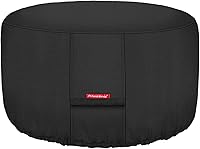
If you want less care between fires, compare what comes with the pit. The 29-inch steel option includes a protective cover, while the cast iron cover is not included.
What should you do with rainwater?
Empty standing water instead of letting it sit in the bowl. The cast iron and 36-inch steel examples have no drainage holes.
The 29-inch steel model has a drainage hole sized for ash and water. Follow the instructions for any model you consider.
Keep the pit covered when it's not in use and store it in a dry place where practical. Our guide to choosing a heavy-duty fire pit covers construction and care details to check before buying.
Which fire pit suits your space and group?
Choose a bowl that fits your available area and the number of people you expect to gather around it. The cast iron bowl and Crossweave are sized for 6 to 8 people, while the 29-inch steel model is sized for 4 to 6.
The cast iron bowl measures 30 inches across the bowl and 34.5 inches across its handles. It stands 15 inches high.
The 29-inch steel pit is 29 inches in diameter and 23 inches high with the spark screen on. Its bowl sits 5.75 inches above the ground.
The Crossweave has a 36-inch outer ring and a 31-inch bowl. Its total height is 24 inches with the screen on and 16 inches without it.
Measure the area around the pit, not just the bowl. Account for seating, walking space and the clearances required by the manufacturer and local rules.
Is cast iron a good fit for a smaller patio?
It can fit if the full bowl and handle width leave enough room for safe use and movement. The 30-inch cast iron bowl spans 34.5 inches at its handles, so measure that wider dimension.
The 29-inch steel pit has a 29-inch diameter and includes a spark screen. Its listed height includes the screen, which matters under low branches or nearby structures.
Use the size that leaves a clear path around the seating area. Our fire pit size guide can help you match pit dimensions to your patio or yard.
When is a larger steel pit worth considering?
A larger steel pit makes sense when you have room for its wider footprint and want a larger fire area. The Crossweave's 36-inch outer ring surrounds a 31-inch bowl.
Its crossweave cutouts and built-in log grate draw in air from below. Sunnydaze says this setup helps fires light fast and burn hotter with less smoke, but that is not a measured comparison with the other pits here.
The Crossweave also includes a spark screen, poker and cover. Check that its outer ring and the space needed around it fit your layout.
What comes with each type?
The included accessories can matter as much as the bowl material. Compare the cover, spark screen, poker, grate and ash setup before deciding.
The cast iron bowl includes hardware for attaching its three legs and side handles. It doesn't include a cover or cooking grate.
The 29-inch steel pit includes a cover, spark screen and poker. Its bowl lifts out of the steel support frame for ash disposal.
The Crossweave includes a cover, spark screen, poker and built-in log grate. The grate and mesh-covered cutouts are features of that pit's design, not of all steel fire pits.
If you plan to cook, check the instructions for the exact fire pit and any grate you want to use. Sunnydaze says not to cook directly on the cast iron bowl's oxidized finish.
Which fire pit should you choose?
Pick cast iron if you want a substantial bowl and are comfortable managing its finish and rainwater. Pick steel if a removable bowl, included cover or other built-in features fit your routine better.
The Sunnydaze Crossweave 36-Inch suits a larger patio or yard where its 36-inch outer ring can fit comfortably.
The Sunnydaze 30-Inch Cast Iron Bowl suits someone who prefers cast iron's solid feel and a simple bowl design.
The Sunnydaze 29-Inch Patio Fire Pit suits buyers who want an included cover and removable bowl for ash disposal.
For any model, use a stable, non-combustible surface and follow its safety and care instructions. Choose by the full design, not the material label alone.
Sources
- U.S. Fire Administration: Outdoor fire safety
- National Fire Protection Association: Fire pits and outdoor fireplaces
Frequently asked questions
Does cast iron last longer than steel outdoors?
Material alone doesn't tell you how long a fire pit will last. Finish, rain exposure, ash removal, storage and care all matter.
Cast iron can rust, and painted steel can wear or rust if its finish is damaged.
Cover the pit between uses, store it dry and follow its care instructions.
Is a cast iron fire pit harder to move?
It can be. The cast iron Sunnydaze bowl weighs 26.2 pounds, while the two steel examples weigh 26 and 23.8 pounds, but the base and overall shape also affect handling.
Move any fire pit only when it is fully cool, and use heat-resistant gloves if its handles may still be warm.
Which fire pit is easier to clean, cast iron or steel?
The removable-bowl steel Sunnydaze makes ash disposal straightforward because you can lift the bowl from its support frame. The cast iron bowl needs ash removed after each fire and has no drainage holes, so rainwater must be emptied.
Check the exact design before choosing by material alone.
Can I leave a steel or cast iron fire pit outside?
Use a cover and keep the pit in a dry location when possible. One steel model here includes a cover, while the cast iron bowl's cover is sold separately.
Both materials can be affected by moisture, so empty standing water and let ash cool fully before covering.
Which material should I choose for a patio?
Choose based on the surface, space and care routine as well as material. The Sunnydaze examples recommend stone, brick, gravel or a fire-safe pad.
Check local rules and the manufacturer's instructions for clearances, surface protection and safe placement before lighting a fire.