Solo Stove Ranger vs Bonfire: Is Bigger Better? (October 2026)
Choose the Ranger for compact trips and the Bonfire for a larger gathering space. Both are portable, wood-burning Solo Stove fire pits with a stand and removable ash pan.
On this page (9 sections)
- Solo Stove Ranger vs Bonfire: Is Bigger Better?
- Solo Stove Ranger vs Bonfire: which should you choose?
- How much bigger is the Bonfire than the Ranger?
- Which one is easier to take camping?
- Which fire pit is a better fit for a patio?
- Are both models smokeless?
- Which is easier to clean and maintain?
- Is the Bonfire worth choosing over the Ranger?
- Final choice: Ranger for travel, Bonfire for space
Solo Stove Ranger vs Bonfire: Is Bigger Better?
Choose the Ranger for compact trips and the Bonfire for a larger gathering space. In this Solo Stove Ranger vs Bonfire comparison, the Bonfire is wider and heavier, while the Ranger is easier to carry and store.
The Bonfire measures 19.49 in across and weighs 21.7 lb. The Ranger measures 17 in across and weighs 16.5 lb, a difference that matters when you pack the pit for a trip or bring it out from storage.
Both burn wood, use Solo Stove's airflow design to reduce smoke, and include a stand and removable ash pan. We compared their dimensions, weight and included parts to help you match a model to your plans.
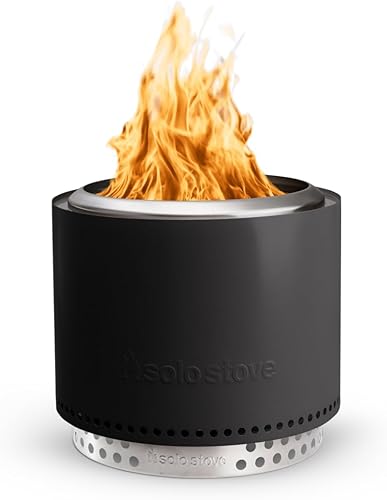

Solo Stove Ranger vs Bonfire: which should you choose?
Pick the Ranger when portability and a compact fire matter most; choose the Bonfire when you want more diameter for a group. Neither is the automatic winner for every backyard or campsite.
The Bonfire's larger size suits a backyard gathering where the pit can stay set up or where you have room to carry it. The Ranger's smaller diameter and lower weight make it easier to fit when storage or transport space is limited.
Both are wood-burning fire pits made from 304 stainless steel. Each has a stand and removable ash pan, so your choice comes down mainly to size, weight and how you plan to move it.
| Product | Best for | Diameter | Weight | Cleanup | Our score |
|---|---|---|---|---|---|
| Solo Stove Bonfire with Stand | larger gatherings | 19.49 in | 21.7 lb | Removable ash pan and base | 8.3 |
| Solo Stove Ranger 2.0 | compact trips | 17 in | 16.5 lb | Removable ash pan | 8.0 |
How much bigger is the Bonfire than the Ranger?
The Bonfire is 2.49 in wider and 5.2 lb heavier than the Ranger. That difference gives you a larger pit, but also asks for more carrying and storage space.
The Bonfire measures 19.49 in in diameter and 17.52 in high. The Ranger measures 17 in in diameter and 15 in high.
The Bonfire's wider opening may feel more natural for a larger circle of seats. The dimensions don't specify the flame size or warmth at each seat, since those depend on the fire and setup.
The Ranger is the more manageable option if you carry the pit between a garage, patio and vehicle. Its nylon carry case is included, while the Bonfire includes a stand, colored pit, removable base plate and ash pan.
Does bigger mean warmer?
A wider pit gives you more room for a fire, but size alone doesn't promise more warmth at every seat. Wind, firewood and how close people sit all affect comfort.
The Bonfire is highlighted for 4 to 6 people, while the Ranger is highlighted for 2 to 4. Use those ranges as a starting point, then arrange your chairs with suitable room around the fire.
If your patio is tight, the Ranger's smaller footprint can make seating easier. For a broader comparison of seating and dimensions, see our fire pit size guide.
Which one is easier to take camping?
The Ranger is easier to carry for camping because it weighs less and comes with a carry case. The Bonfire is portable too, but its larger size and extra weight call for more room in your vehicle.
At 16.5 lb, the Ranger is 5.2 lb lighter than the Bonfire. Its case gives you a way to carry and store the pit.
The Bonfire weighs 21.7 lb and is described for camping, beach trips and backyard use. It may work for car camping if you have room, but the Ranger is the simpler pick when your gear space is already spoken for.
Check campground or beach rules before bringing a wood fire pit. If the pit will mostly stay at home, portability may matter less than the space you want around it.
Which fire pit is a better fit for a patio?
The Ranger fits tighter patios more easily, while the Bonfire suits a yard with room for a wider gathering circle. Measure the pit's footprint and seating area before choosing either model.
The difference in diameter is a few inches, but the space around a fire matters too. Leave room to walk past chairs and handle the pit, following the instructions for the exact model.
The Bonfire includes a stand and is designed for use on many heat-sensitive surfaces, such as a deck, grass and turf. Check the manual and your patio material before lighting a fire.
For other compact options, our guide to the best fire pits for small patios compares fire pit styles that may suit a limited area. You can also read our plain guide to outdoor fire pits if you're deciding between wood, smokeless and gas designs.
Are both models smokeless?
Both are designed to reduce smoke, but neither should be treated as smoke-free in every condition. Solo Stove describes its 360-degree airflow design as feeding the fire and sending heated air over it to burn off small particles.
The Ranger and Bonfire both use a double-wall design. Air enters through bottom vents, warms between the walls and moves over the fire, which is intended to reduce smoke.
Wood moisture, fire size, wind and startup can affect what you experience. Our guide on how to cut down smoke from a fire pit covers wood choice and fire habits that can help.
Both pits burn wood, so expect some smoke while lighting and tending the fire. If smoke reduction is your main priority, see smokeless vs regular fire pits for the tradeoffs.
Which is easier to clean and maintain?
Both make ash removal simpler with a removable ash pan, and the Bonfire also includes a removable base. Wait until the pit and ash are fully cool, then follow the manual for emptying and care.
The Ranger's removable base plate lifts to access the ash pan. The Bonfire also has a removable base and ash pan, so neither requires you to scoop ash from a fixed bowl.
Both use 304 stainless steel. The Bonfire also has a high-heat ceramic coating, while the Ranger has a polished finish.
Rain and long-term outdoor exposure can affect metal over time. Our guide to how to clean a fire pit explains ash handling and routine cleanup, while do fire pits rust? covers ways to slow corrosion.
Is the Bonfire worth choosing over the Ranger?
The Bonfire is worth the extra size when your priority is a wider gathering pit and you have space to store and move it. The Ranger is the more practical choice for frequent transport, smaller patios and compact storage.
Both models include a stand and removable ash pan, so the core setup is similar. The difference is the Ranger's lower weight and smaller diameter against the Bonfire's larger opening and stated fit for more people.
Choose the Bonfire if the pit will anchor backyard evenings and the extra 5.2 lb is manageable. Choose the Ranger if you need a portable wood fire pit that is easier to bring along.
Final choice: Ranger for travel, Bonfire for space
Choose the Ranger if you value lower weight and a carry case; choose the Bonfire if you want a larger pit for a backyard group. Your available storage and seating layout should settle the decision.
If you want a different smokeless design, compare options in our Solo Stove alternatives guide. For either model, follow its manual and local rules for fire placement, fuel and extinguishing.
Our score weighs specs, features and buyer feedback against what you're shopping for.
Sources
Frequently asked questions
Is the Solo Stove Ranger or Bonfire better for a small patio?
The Ranger is the more compact choice, with a 17 in diameter and 16.5 lb weight. The Bonfire measures 19.49 in across and weighs 21.7 lb, so it needs more room to place, carry and store.
Measure the area and check the model manual for placement guidance.
How many people can sit around the Ranger and Bonfire?
The Bonfire is highlighted for 4 to 6 people, while the Ranger is highlighted for 2 to 4. Treat those as gathering guidance, then consider seating space and how much room each person needs around the fire.
Do the Ranger and Bonfire include a stand?
Yes, both product names refer to versions that include a stand. The Bonfire includes a removable base plate and ash pan, while the Ranger includes a removable base plate, ash pan and nylon carry case.
Does the Bonfire burn with no smoke?
Solo Stove describes both pits as low-smoke designs that use airflow to burn wood more efficiently. Wind, wood condition and how a fire is tended can affect smoke, so don't expect either wood fire to be smoke-free in every situation.
Which Solo Stove is easier to clean?
Both have removable ash pans, which help with ash removal after the fire has fully cooled. The Bonfire and Ranger each have a removable base plate and ash pan.
Follow the manual before cleaning either pit.


